Marble Floor & Worktop Care Guide
Marble is one of the most luxurious and visually striking natural stones used in homes, but because it is calcium-based it can be vulnerable to etching, dullness, staining and surface wear if maintained incorrectly. From polished marble floors to kitchen worktops and bathroom surfaces, proper care and maintenance are essential to preserve the appearance of the stone.
Below are some of the most common marble issues we see and how professional restoration can often dramatically improve the appearance of damaged marble surfaces.
Our Marble Floor & Worktop services can be found Here.
01
Why Has My Marble Lost Its Shine?
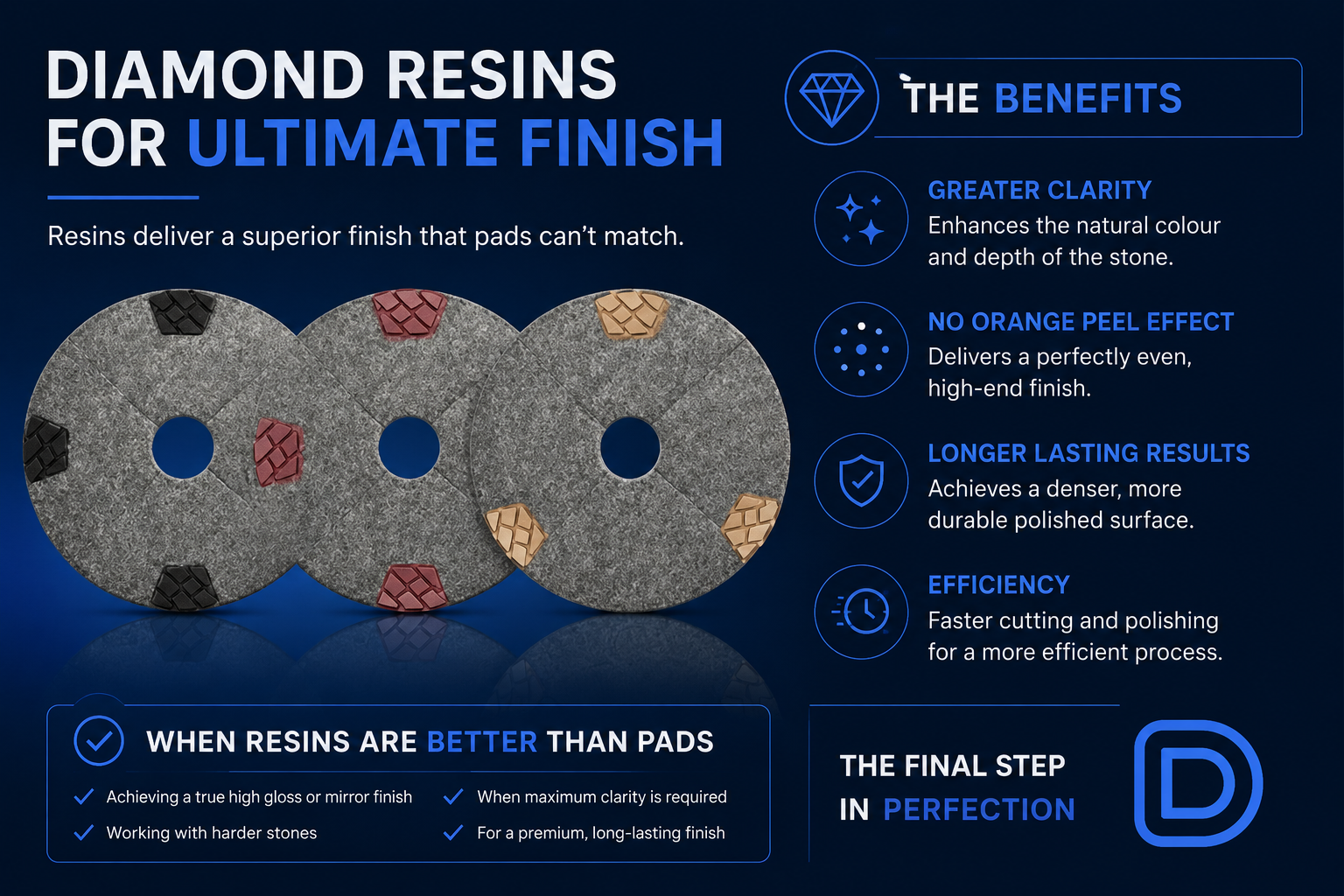
Over time, marble can gradually lose clarity and reflectivity due to foot traffic, cleaning residues, micro scratching and general wear. Incorrect cleaning chemicals can also dull the finish. Professional diamond refinishing and polishing can restore depth, clarity and shine to worn marble surfaces.
02
Can Acidic Products Damage Marble?
Yes. Marble is highly sensitive to acidic substances including wine, lemon juice, fizzy drinks, vinegar, Viakal and limescale removers. These products create etch marks by chemically damaging the surface of the stone. Etching is physical damage to the marble and cannot simply be cleaned away.
03
Does Marble Need Sealing?
Marble should normally be protected using a quality impregnating sealer to help reduce staining and improve ongoing maintenance. While sealers do not prevent acid etching, they can help slow down dirt and liquid penetration while making routine cleaning easier.
04
Can Scratches And Etching Be Removed From Marble?
In many cases, yes. Light scratches, water marks, dull patches and acid etching can often be significantly improved or fully removed using professional honing and diamond polishing techniques. The level of restoration depends on the severity of the damage and the finish required.